
If you want to buy your first Bitcoin, this guide will walk you through the process in plain English, with fewer buzzwords and more "please do not click that suspicious link from a stranger named WealthWizard9000."
1. What Bitcoin Is, Without the Fog Machine
Bitcoin is a digital asset that can be sent over the internet without a bank sitting in the middle of every transaction. It runs on a public system called a blockchain, which is basically a shared record book copied across many computers.
That does not mean Bitcoin is magic money. Its price can rise or fall sharply. It can be lost through scams, bad passwords, mistaken transfers, or poor wallet handling. Bitcoin can be interesting technology and still be a bad short-term bet. Both can be true, because adulthood is rude like that.
Bitcoin vs. "A Bitcoin"
You do not need to buy one whole Bitcoin. Bitcoin is divisible into tiny units called satoshis. Buying $10, $25, or $50 worth is technically possible on many platforms, though fees and minimums vary.
Think of it like buying a slice of pizza instead of the whole pizza shop.
2. Before You Buy: The Three-Sentence Sanity Check
Before making a purchase, answer these:
- Can I afford to lose this money without damaging rent, food, debt payments, emergency savings, or sleep?
- Do I understand the fees, tax records, and security steps?
- Am I buying because I made a calm decision, not because the internet shouted "last chance" at me?
If any answer is "no," pause. Pausing is free. Regret often comes with fees.
3. Choose a Reputable Place to Buy
Most beginners use a cryptocurrency exchange or broker. The exchange lets you create an account, verify your identity, add a payment method, and place a Bitcoin order.
Look for:
- Availability in your country or state.
- Clear fee previews before you confirm an order.
- Strong security options, including authenticator-app two-factor authentication.
- Plain withdrawal rules and customer support information.
- A history of regulatory compliance or public accountability.
Avoid:
- Random links from social media messages.
- “Investment managers” who ask you to send Bitcoin to a private wallet.
- Platforms that guarantee profit.
- Apps that make withdrawals strangely difficult.
4. Set Up Your Account Carefully
You will usually need to provide identity information. This can feel annoying, but regulated financial platforms often require it.
Use a unique password that you do not use anywhere else. Turn on two-factor authentication, preferably with an authenticator app rather than SMS. SMS is better than nothing, but phone numbers can be hijacked.
Also check whether the platform offers:
- Withdrawal allowlists.
- Login alerts.
- Anti-phishing codes in emails.
- Device management.
These are not glamorous features. They are the financial equivalent of wearing a seatbelt.
5. Add a Payment Method and Read the Fee Screen
Common payment methods include bank transfer, debit card, and sometimes payment apps. Fees and speed vary.
Before confirming, check:
- Purchase amount.
- Exchange fee.
- Spread, which is the hidden-looking difference between market price and the price you are offered.
- Deposit or card fee.
- Withdrawal fee, if you later move Bitcoin to your own wallet.
If the fee screen makes your eyebrows climb, back out and compare options.
6. Place a Small First Order
For a first purchase, small is wise. Your first order is partly a learning exercise. You are testing the platform, the confirmation process, and your own ability to stay calm when the price immediately wiggles around like it drank espresso.
Common order types:
- Market order: Buys immediately at the available price. Simple, but you should preview the final price and fees.
- Limit order: Buys only at a price you choose. Slightly more advanced, but useful once you understand the interface.
Avoid leverage, margin, futures, and "advanced" products as a beginner. Buying a small amount of Bitcoin is already enough new vocabulary for one afternoon.
7. Decide Where to Keep It
After buying, your Bitcoin may stay on the exchange unless you withdraw it to a wallet.
Option A: Leave It on the Exchange
This is simpler. You do not manage wallet backups yourself. The downside is that you depend on the exchange’s security and solvency. If your account is compromised, or the platform has serious trouble, you may be exposed.
Option B: Move It to Your Own Wallet
This gives you more control, but more responsibility. Your wallet uses a recovery phrase, often called a seed phrase. Anyone who gets that phrase can steal the Bitcoin. If you lose it, you may lose access forever.
For beginners, learn wallet basics before moving meaningful funds. If you withdraw, test with a tiny amount first.
8. The Beginner Security Checklist
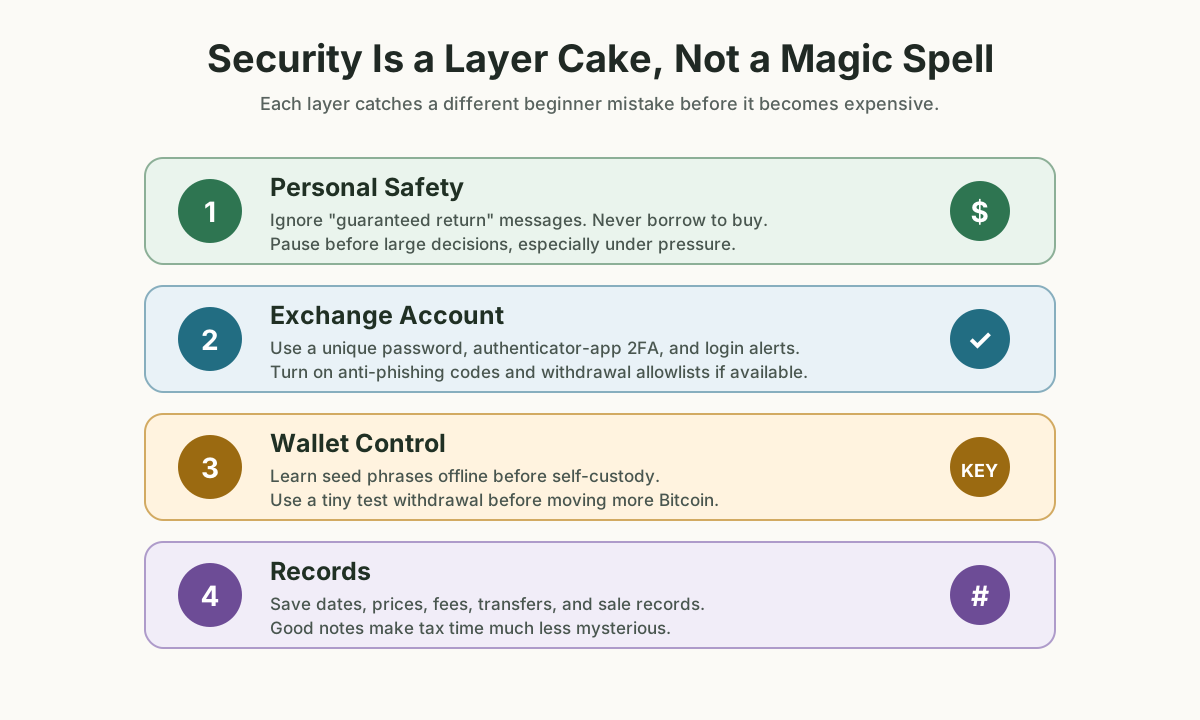
Do these before increasing the amount you hold:
- Use a password manager.
- Turn on authenticator-app two-factor authentication.
- Bookmark the exchange website instead of clicking ads.
- Never share a seed phrase, private key, one-time code, or screen share.
- Ignore anyone promising guaranteed returns.
- Confirm withdrawal addresses carefully.
- Send a small test transaction before a larger transfer.
- Keep tax and transaction records.
The most dangerous phrase in crypto is not technical. It is "Trust me."
9. Taxes and Records: Boring, Therefore Important
In many countries, buying, selling, swapping, or spending Bitcoin can create tax reporting duties. In the United States, the IRS treats digital assets as property for federal tax purposes, which means sales and other dispositions may create gains or losses.
Keep a simple record of:
- Date and time of purchase.
- Amount spent.
- Amount of Bitcoin received.
- Fees paid.
- Exchange or wallet used.
- Sale, transfer, or spending history.
Future you will be grateful. Future you has enough to deal with.
10. Common Scams Beginners Should Recognize
The Guaranteed Return Scam
Someone promises daily, weekly, or "risk-free" profit. Real markets do not work that way.
The Fake Support Scam
Someone claims to be from an exchange and asks for your password, code, or seed phrase. Real support should not need those.
The Romance or Friendship Investment Scam
Someone builds trust, then introduces a "special platform." This is a major red flag, especially if withdrawals require extra deposits.
The Fake Giveaway
"Send Bitcoin and receive double back." No. That is not generosity. That is a trap wearing a party hat.
11. A Gentle First-Purchase Example
Imagine Jamie wants to learn with $25.
Jamie:
- Reads the risk warning and decides $25 is affordable to lose.
- Chooses a reputable exchange available locally.
- Creates an account with a unique password and authenticator-app two-factor authentication.
- Adds a bank payment method.
- Previews a $25 Bitcoin purchase and checks the total fees.
- Buys only after reviewing the order screen.
- Saves the receipt and notes the date, cost, Bitcoin amount, and fee.
- Leaves the Bitcoin on the exchange temporarily while learning wallet basics.
This is not dramatic. That is the point. Good beginner finance is often pleasantly boring.
12. What Not to Do After Buying
Do not stare at the price every six minutes. That turns a learning experience into a tiny emotional treadmill.
Do not brag publicly about how much Bitcoin you own. Financial privacy is a security habit.
Do not rush into altcoins, meme coins, yield farms, or complex trading tools because one small Bitcoin purchase went smoothly.
Do not assume "Bitcoin went up before" means "Bitcoin must go up again." Markets do not owe us sequels.
13. Final Takeaway
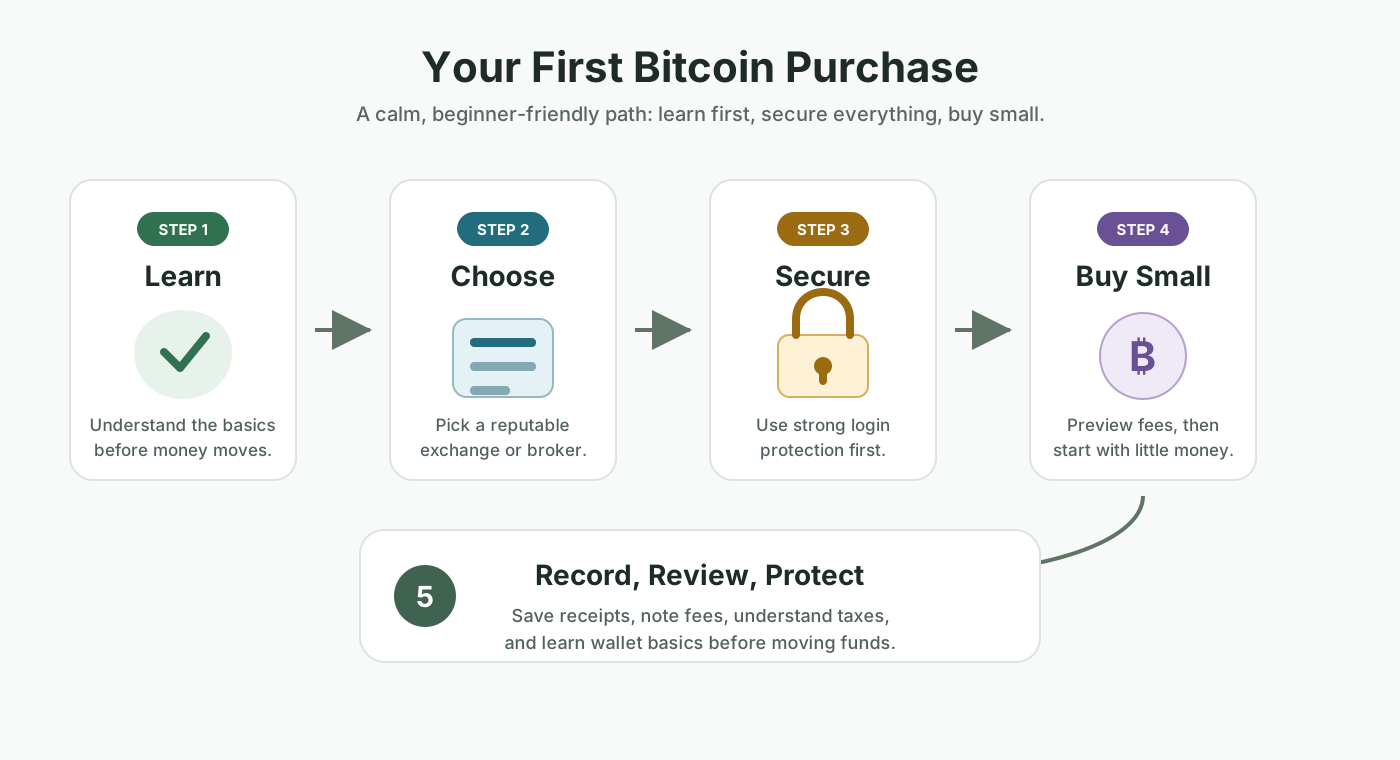
Buying Bitcoin for the first time should be slow, small, and secure. Learn the basics, choose a reputable platform, protect your account, read the fee screen, save your records, and beware of anyone who makes urgency sound like wisdom.
If you remember only one thing, remember this: the goal of your first purchase is not to become a market genius by dinner. The goal is to learn the process without taking a foolish risk.
Sources and Further Reading
- SEC Investor.gov: Crypto Assets
- FINRA: Crypto Assets
- FTC: What To Know About Cryptocurrency and Scams
- IRS: Digital Assets
- Bitcoin.org: Secure Your Wallet
Disclaimer
This article is for educational purposes only and does not provide financial, investment, legal, or tax advice. Bitcoin can be highly volatile and risky. Always do your own research and consult a qualified professional before making financial decisions.